

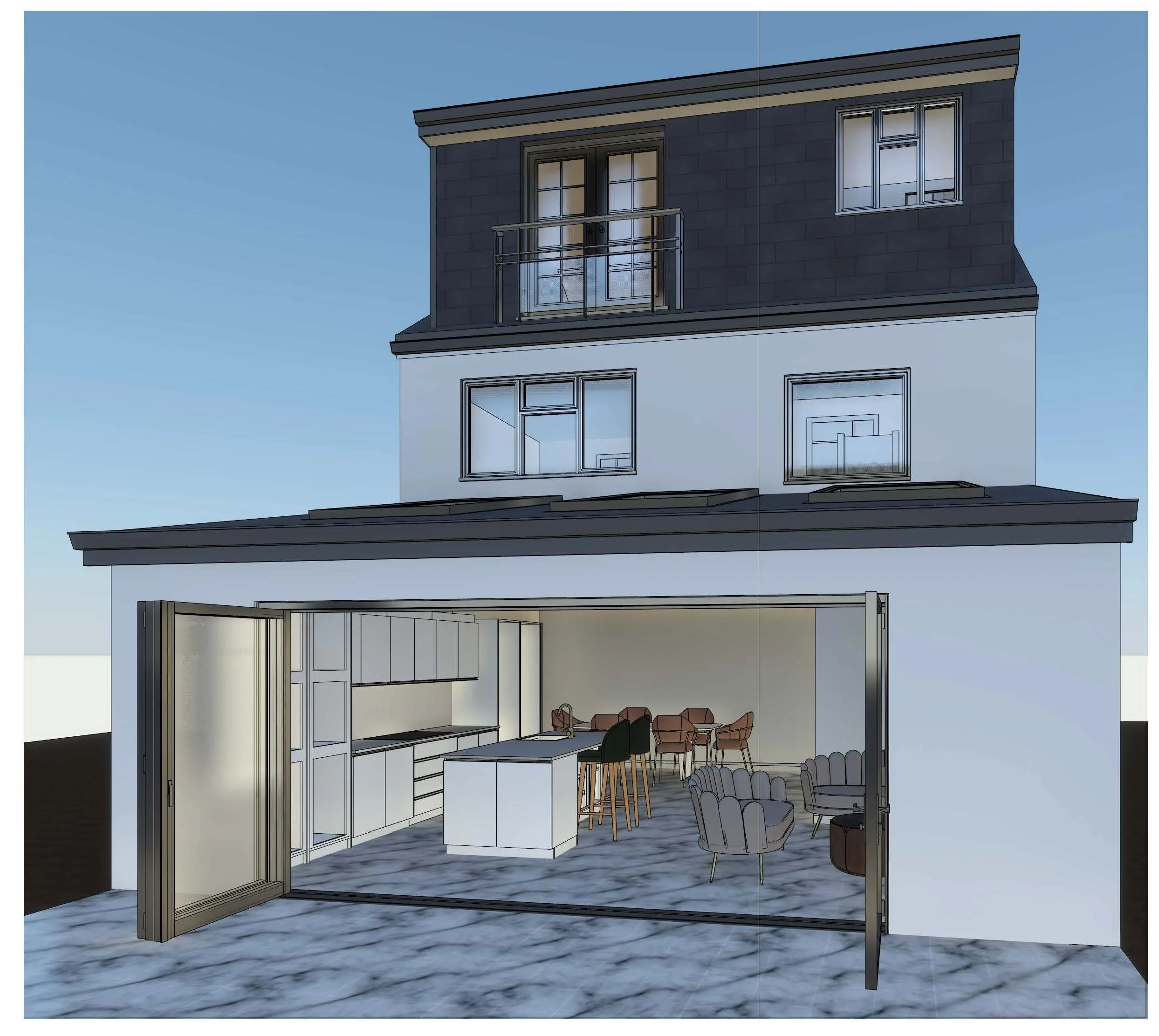

How Long Do Planning Applications Take in the UK? Timelines, Delays, Appeals and Committee Process Explained (2026 Guide)
How Long Do Planning Applications Take in the UK? Timelines, Delays, Appeals and Committee Process Explained (2026 Guide) — AY Planning
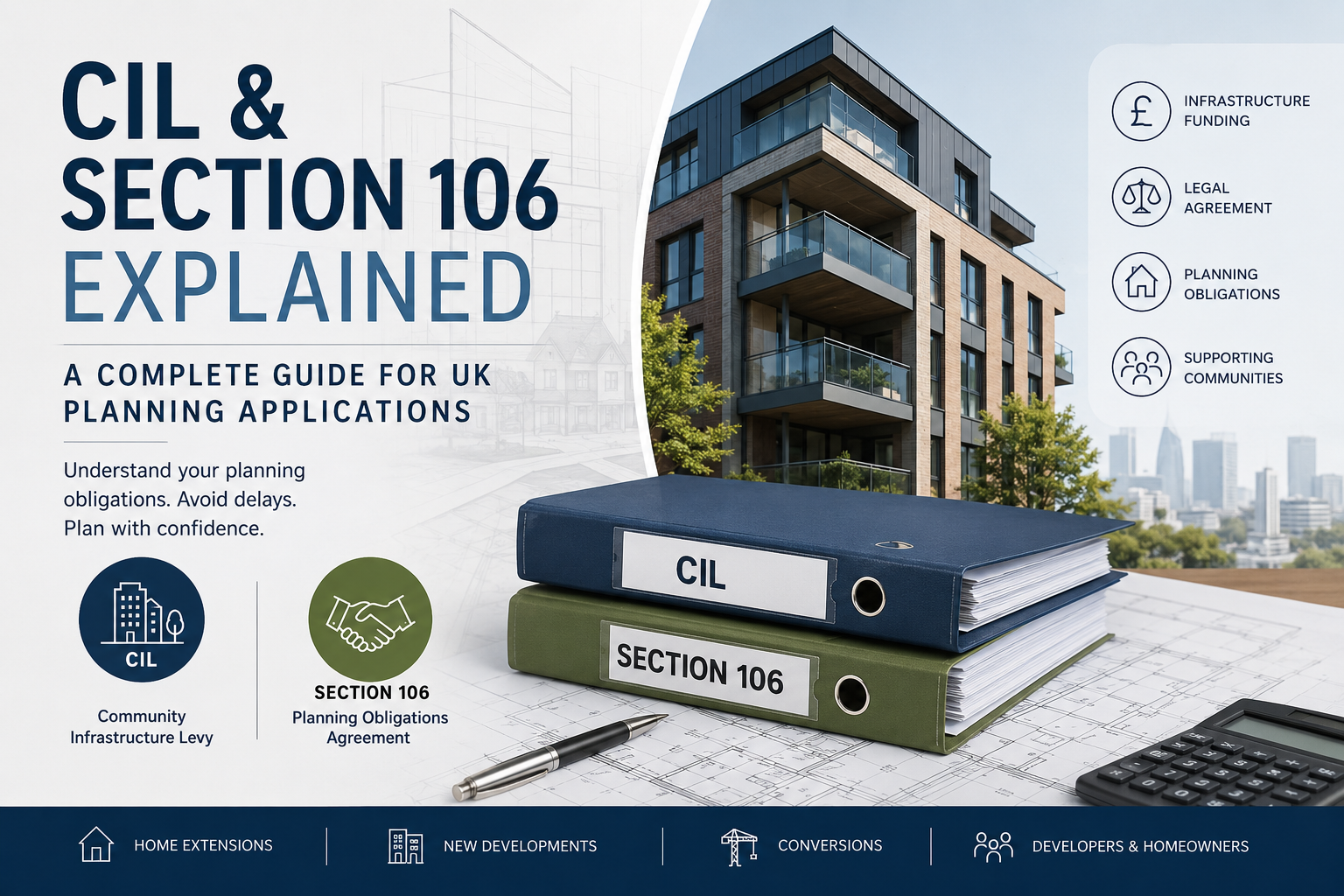
CIL and Section 106 Explained: A Complete Guide for UK Planning Applications (2026)
Community Infrastructure Levy (CIL) and Section 106 (S106) obligations are an essential part of the UK planning system, shaping how development contributes to local infrastructure and community benefits.
CIL is a standardised charge applied to new development, helping fund wider infrastructure such as transport, schools, and healthcare. It provides certainty for applicants through a fixed, policy-based rate set by local authorities.
S106 agreements, on the other hand, are site-specific legal agreements negotiated as part of the planning process. They are used to address the direct impacts of a development, such as affordable housing, highway works, or local environmental improvements.
Together, CIL and S106 ensure that new development is supported by the infrastructure it generates demand for, while balancing viability and delivering long-term community value.

Major change to 4 year rule - Lawful Developments
Learn about recent changes to Certificates of Lawfulness, including how updated planning regulations affect permitted development rights and what evidence is required for successful applications in London.

Flexible Use Classes - Post Covid Changes
This article explains Flexible Use Class E, how the UK planning system allows changes between commercial uses, and what developers and property owners in London need to know about permitted development rights and restrictions.